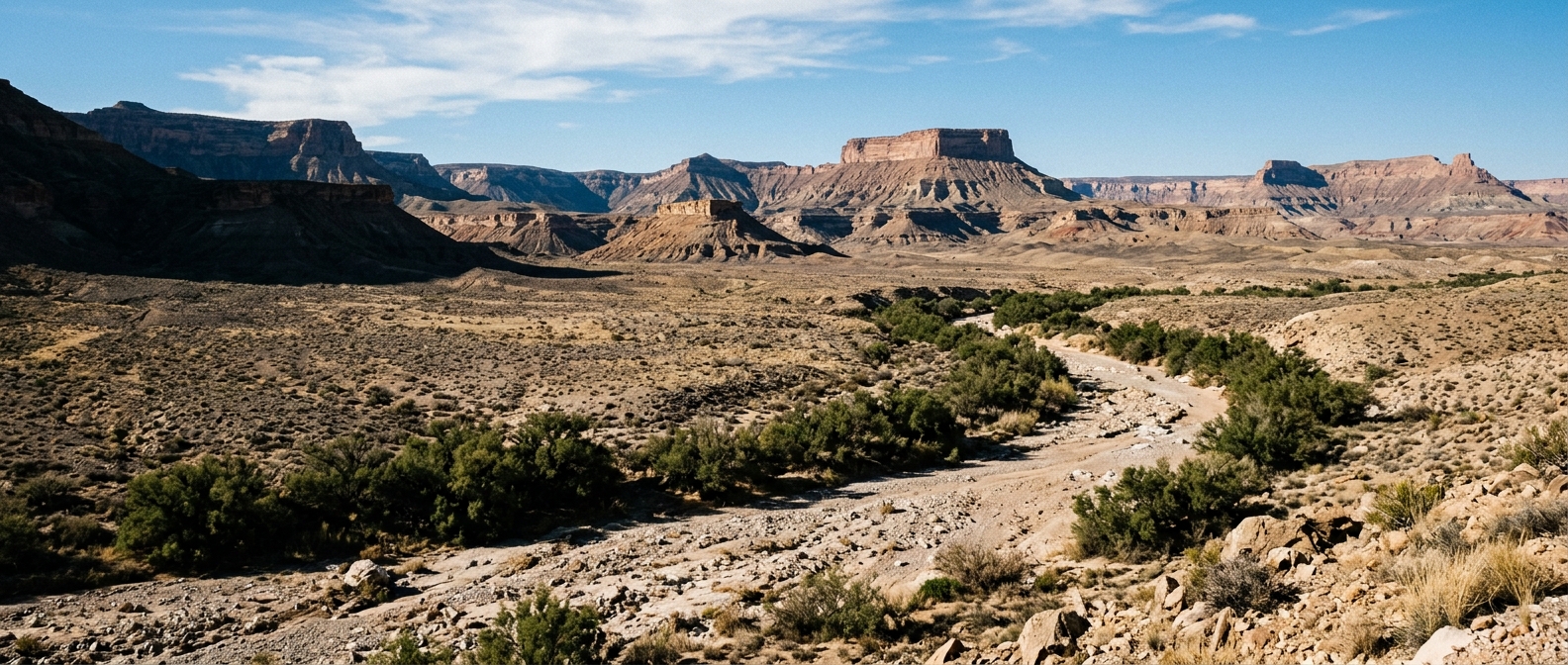
pale grass to the door mirrors, no pump for four hundred miles
Reserve a twelve night Kaokoveld self drive trip in Namibia
Twelve nights in northwest Namibia with a two tent 4x4, beds at two community camps and a diesel drop arranged ahead of you, from $2,845 per person on two sharing. You drive every mile of it yourself, between the sand of the Hoarusib and the water of the Kunene, where the grass on the Marienfluss floor stands pale and high for fifty miles and the last pump can be two days behind you.
Send a booking requestThe Pine Gazette answers every request within one business day.
Three things on this route cannot be arranged from a keyboard, and those three are what The Pine Gazette books for you: the vehicle, the two community camps that take reservations only when somebody walks into a conservancy office or raises it on a radio schedule, and a diesel drop that has to be ordered, drummed and carried north before you are anywhere near it. The other nine nights are yours to put wherever the day ends.
The route leaves the tar at Kamanjab, runs through Sesfontein to Purros on the Hoarusib, west and north across the Orupembe plain, down Van Zyl's Pass into the Marienfluss, up to the Kunene, then back out through Okangwati and Opuwo. Twelve days come to roughly 1,780 miles, of which about 1,125 are gravel, rock and river sand. Four to nine hours a day in the vehicle is normal, and average moving speed on the western tracks is around 14 miles an hour.
Nothing that carries you or houses you on this trip belongs to Pine Gazette Bookings LLC. The rental company owns the 4x4, each conservancy owns its own camp, and both bill you directly under their own contracts. This office takes no payment of any kind and does not sell airfare; the flight into Windhoek is yours to arrange, on your dates, by whatever routing suits you.
A permit, a ranger, a boat with one sailing a week, the single bed there is. Everything else is the traveller's own.
No rung is better than another. Each one is a different amount of work for the traveller and a different figure.
- What it costs
- 12 nights, from $2,845 per person.
- What this reserves
- On this rung The Pine Gazette books three things and nothing else, the equipped vehicle for twelve days, beds at the two community run camps that take reservations only through a conservancy office on a radio schedule, and a diesel drop set down at the head of the Marienfluss, while every other night, every meal, every mile of route and every repair stays with you.
- Shape of the booking
- The reservation holds one double cab 4x4 with two rooftop tents for twelve days, two nights for two people at the camp on the Kunene and one night for two at the camp on the Hoarusib, and 110 gallons of diesel drummed and placed in advance, while the remaining nine nights you carry your beds on the roof and stop where the day ends.
- Who books it
- Somebody books this because they want the valley to themselves at six in the morning, with nobody to wait for and nobody to follow.
- Why somebody chooses another rung
- If you have never let a tire down to 1.2 bar, changed a wheel in loose sand or spent a night with no help inside a hundred miles, the rung that puts a guide in the vehicle every day is the one to take instead.
- In the figure
- One double cab 4x4 with dual fuel tanks, two rooftop tents and a fitted water tank, for twelve days; two spare wheels, a compressor, a shovel and recovery boards fitted to the vehicle; unlimited mileage inside Namibia; two nights for two people at the community camp on the Kunene at the head of the Marienfluss; one night for two at the community camp on the Hoarusib at Purros; conservancy transit permits for Marienfluss, Hartmann's Valley and Puros, obtained by the operating company as part of running the trip; the camping fee paid to each conservancy office; 110 gallons of diesel drummed and placed at the northern camp before you arrive; a printed route sheet with track notes, junction descriptions and the fuel plan; a satellite messenger with twelve days of airtime; the operating company's radio schedule and its recovery contact in Opuwo; a handover briefing covering tire pressures, water use and river bed driving.
- Not in the figure
- Your own flight to Windhoek, which from the American South tends to run $1,150 to $1,950 round trip depending on month and routing; fuel beyond the drummed drop, $340 to $470 across the twelve days; all food and drink, $22 to $40 a person a day if you shop in Windhoek and Opuwo; the nine unheld nights of camping or lodging, $18 to $95 a night for two; reduction of the vehicle damage excess, $22 to $34 a day; a second name on the rental agreement, $0 to $60 for the period; tire repair and replacement, about $28 for a plug and $190 to $260 for a new tire in Opuwo; the cash fee asked at a Himba homestead if you stop at one, $10 to $20 a household; recovery if you need it, $600 to $1,400 depending on where you stop; showers, laundry and firewood at camps, $3 to $14 a time; gratuities, at your discretion.
- Who should not book it
- This is not for anyone unwilling to drive eight hours on corrugated gravel and then put up a tent in the dark. There are stretches of sixty miles with nothing marking the track, one descent steep enough that you will get out and walk it before you drive it, and if the vehicle beds down in sand you are the one digging. Nights are silent, the camps run on bucket showers and long drop toilets, and between the two held camps you will pass no buildings for two days at a time. Anyone who wants a hospital within two hours of the vehicle, a level floor to sleep on or a phone that works should take a different rung.
This is a starting figure, worked out for two people sharing a room. Costing the exact days you name runs two to four working days, since the firm operating the trip has to answer first. No air ticket is ever inside it.
The valley between the Otjihipa and the Hartmann Mountains
What you notice first on the Marienfluss floor is not the grass but the circles in it, hundreds of bare discs six to twenty five feet across, each ringed by taller stems and holding nothing inside. The grass itself comes and goes with the rain, standing to the door mirrors after a wet year and cropped to stubble after a dry one. The conservancy transit permits for the Marienfluss and Hartmann's Valley are obtained by the operating company as part of running the trip and handed over with the keys, so there is nothing for you to apply for.
There are two ways in. The pass from the east drops off the escarpment and the final mile is loose rock at an angle, with one person out of the vehicle picking the line ahead of the front wheels while the driver works in low range. Traffic on it moves one way, downhill, and nobody tries the climb. The alternative is the track by way of Otjinungwa along the river, which adds about 90 miles and costs a full day.
At the head of the valley the Kunene runs 130 to 200 feet wide, brown with silt, with Angola on the far bank and crocodiles in the shallows. The camp is a row of sites under makalani palms; the shower is a bucket on a rope, the toilet is a long drop, there is no power, and the caretaker keeps a radio that reaches the conservancy office twice a day.
The wind comes off the river most afternoons from about three and drops again at dusk. In October the ground reads 104 in the shade at two o'clock and stays above 70 all night, which is why most people put the tents up on the river side and eat late.
Sand rivers, and the elephants that dig in them
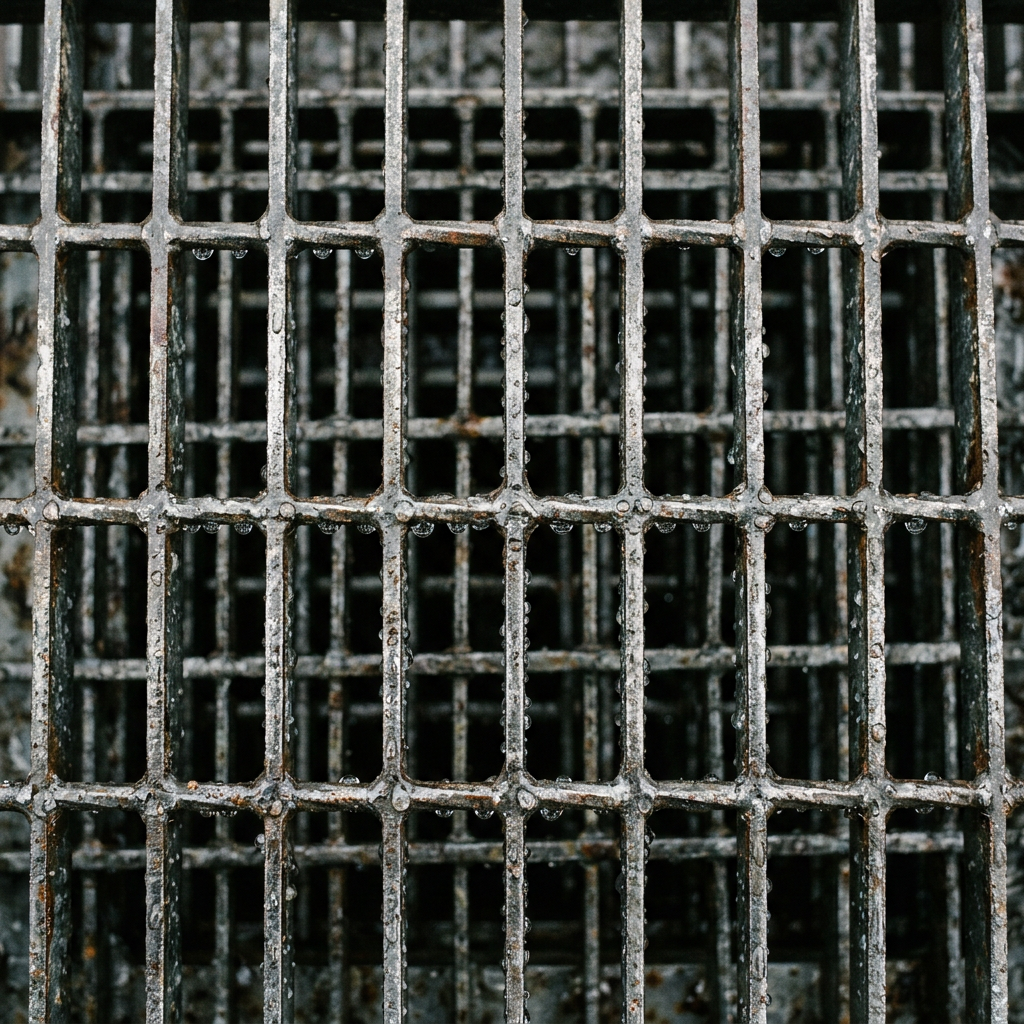
Between Sesfontein and Orupembe the route crosses the Hoarusib, the Khumib and the Gomatum, all of them dry sand for most of the year. The Hoarusib carries water above ground for a few days at a time in February and March, and while it does the crossing at Purros stops working until the level drops. The rest of the year the water sits under the sand, and the elephants that live along that river dig for it with a front foot.
Driving them takes tires down to about 1.2 bar, second gear in low range and no stopping in the soft middle. The camp at Purros sits on the bank under ana trees, twelve sites, no power, and a caretaker who comes round in the evening for the fee. Giraffe come through the river bed most mornings.
West of Purros the Orupembe plain has no signposts and few landmarks. Navigation runs on a painted oil drum at one junction, a spread of tracks that all look equally used, and the printed notes that come with the vehicle. Phone coverage ends at the edge of Opuwo and does not return until you climb toward Etanga on the way out, ten or eleven days later. The satellite messenger clipped to the dashboard is the only way to say anything to anybody.
- January and February
- heat over 100 degrees and a chance of the Hoarusib coming down, which shuts the Purros crossing for a day or two
- March
- grass at its height on the Marienfluss floor, standing to the door mirrors after a wet year
- April
- days near 88 degrees, nights near 57, the sand rivers still damp a foot under the surface
- May and June
- 39 degrees at first light in the valley, still air, dust hanging behind the vehicle for a mile
- July
- traffic on the pass rises to several vehicles a day, where in April you can go two days without meeting one
- August
- wind off the Kunene from mid afternoon and sand moving across the track west of Orupembe
- September
- game concentrated at the dug wells in the Hoarusib because nothing else is holding water
- October and November
- 104 degrees in the shade by two o'clock, camps quiet, elephants moving at night
Fuel, water and the drop at the top
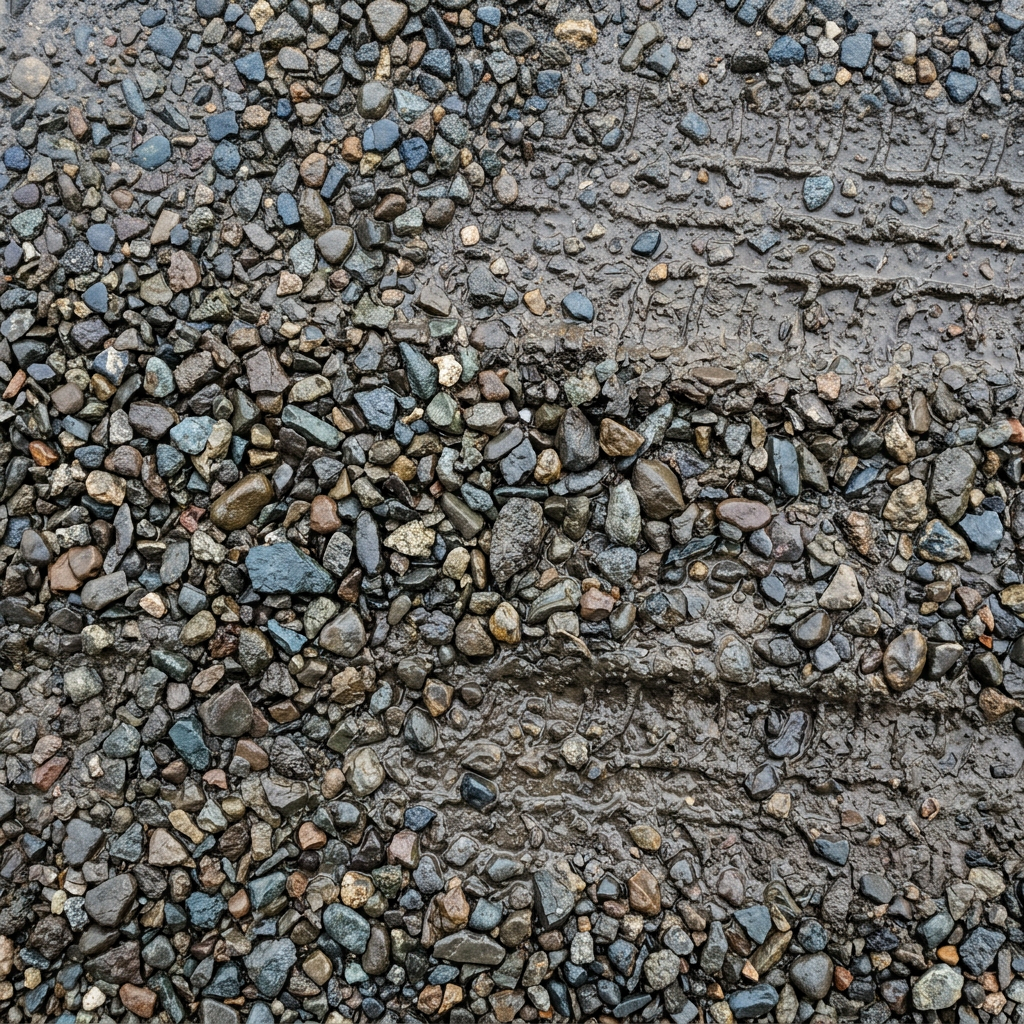
Opuwo has the last pump you can count on. Epupa and Okangwati sell from drums when a truck has been up, and it is often three weeks between trucks. On soft sand and in low range a loaded double cab returns 12 to 14 miles to the gallon, so the loop from Opuwo west, north and back can burn more than the vehicle carries with both tanks full. That is what the drop is for: 110 gallons in two drums, set down at the Kunene camp before you leave Windhoek, with a hand pump and a filter funnel beside them.
Water is 24 gallons in the vehicle tank, filled at Opuwo. The camps pump river or borehole water for washing and neither supplies drinking water, so what you drink is what you carry in. Tires are the other piece of arithmetic: the Giribes plain is scattered with flat black rock that has edges on it, two spares are bolted to the vehicle for a reason, and a plug kit earns its space.
The two nights on the Kunene and the one at Purros are the fixed points of the twelve. The other nine you choose as you drive, and most people spend them on conservancy campsites at $18 to $30 a night for two, or on open ground where the conservancy allows it.
Putting dates on it
Tell us the month, how many of you there are and whether you want the pass or the river track, and we will come back with named dates, a named vehicle category and the figure each company will bill you. Working out real availability on a route where three of the beds are held by radio takes two to four working days, and we would rather take those days than send you something that turns out not to exist.
Call +1 (504) 832-6194 or write to bookings@thepinegazette.com. If you already hold dates elsewhere and want them checked against this route, corrections@thepinegazette.com reaches the same people. The office is at 2450 Severn Avenue, Suite 312, Metairie, LA 70001, and Pine Gazette Bookings LLC works out of the New Orleans area in Louisiana. Every reservation on this rung is placed with the company that actually runs it, and that company sends you the bill under its own contract.
Send a booking request
This form takes booking requests 24 hours a day. A person reads it and answers within one business day. Sending it is not a reservation, it costs nothing, and this office will not telephone or text you unless you ask it to.