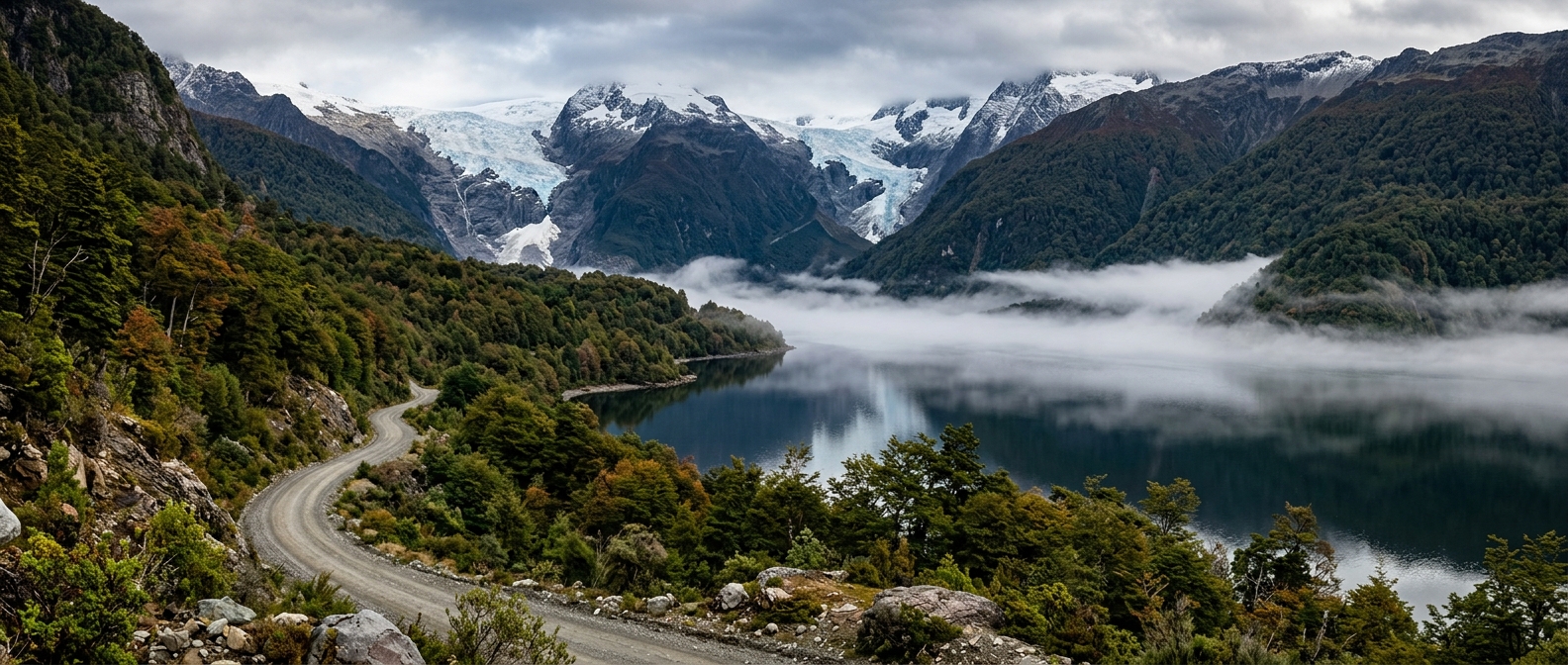
gravel dust, glacier flour in the lake, one boat weekly
Reserve 12 nights in Aysen, Chilean Patagonia
Twelve nights on the southern end of Route 7 from $3,067 per person on two sharing, with three things held in your names: the once a week boat down Lago O'Higgins, a permitted day on the ice tongue above the Exploradores valley beside a ranger, and two nights in the four room house at the far shore, which is the only roof standing there. The reason to go is the run from Cochrane to Villa O'Higgins, 224 kilometers of loose stone with no working pump between the two ends.
Send a booking requestThe Pine Gazette answers every request within one business day.
This is the far end of Route 7, the road Chile signs as the Carretera Austral. It comes 1,240 kilometers down the country and then stops at Villa O'Higgins, because the ice in front of it has no road through it and is not going to get one. Twelve nights here means driving the last third of that road yourself.
Reserve 12 nights in Aysen, Chilean Patagonia and what you are actually reserving is three fixed points: a boat that goes once a week, a list a ranger reads at a hut before anybody steps onto ice, and the only house with beds on the far shore of a lake 2,742 feet deep. Everything between those three is yours. Which night you spend at Puerto Rio Tranquilo and which at Tortel, whether you sit out a wet day at Cochrane or push south into it, where you eat and when you start.
No air ticket is sold here. The long leg out of New Orleans, LA and the domestic hop that follows it are yours to book, and we would rather you had both in hand before we hold the boat, because that boat runs on one day of the week and moves for nobody.
A permit, a ranger, a boat with one sailing a week, the single bed there is. Everything else is the traveller's own.
No rung is better than another. Each one is a different amount of work for the traveller and a different figure.
The last 224 kilometers of Route 7
Cochrane is the last town of any size: about 3,500 people, a square with a clipped hedge around it, the last cash machine and the last full grocery for four days. South of there the pavement gives up for good. The road runs washboard gravel above the Baker, which moves more water than any river in the country, near 1,100 cubic meters a second where the Neff comes in, and at that junction the grey meltwater and the blue lake water run beside each other without mixing for the length of three football fields.
At Puerto Yungay the road stops at a fjord and starts again on the other side. A flat ramp boat worked by the state closes that gap in 45 minutes and takes no fare. In January it goes three times, first at ten, and it does not go at all when the wind is up in the channel. We hold nothing there and cannot. Queue by nine or lose the day.
Then Tortel, where roughly 500 people live on seven kilometers of cypress boardwalk and there is no street anywhere in the village. You leave the pickup on the hill and walk down. It is about 180 steps to the lower houses, and everything that arrives, a mattress, a stove, a sack of cement, comes down those steps on somebody's back.
- What it costs
- 12 nights, from $3,067 per person.
- What this reserves
- Our office reserves the weekly crossing both ways, the ranger day and the permit under it, and the beds and both dinners at the far shore, and it reserves nothing else at all: no vehicle, no fuel, no other night, no other meal.
- Shape of the booking
- One reservation covering two beds in a twin room at the far shore for two nights, two seats and the freight allowance on the weekly boat in both directions, and two places on the ranger list, while the vehicle, the route and the other nine nights stay entirely yours.
- Who books it
- Somebody reserving this wants the three things that cannot be arranged from a laptop at one in the morning, and wants the other nine days left blank.
- Why somebody chooses another rung
- Anyone who would rather not spend nine of the twelve days working out where to sleep, where to fill the tank and whether the fjord ramp is running should take a rung where a driver meets them after breakfast.
- In the figure
- Two nights in the four room house at the far shore, the only beds on that side of the water; both dinners and both breakfasts there, at seven and at eight, because the stove is lit twice a day and no more; two seats on the weekly boat in both directions, carried by the company that holds the license for that lake and billed by that company on its own account; 44 pounds of freight per person on the same boat, reserved with the seat because the forward hold takes very little; two places on the ranger list for the permitted ice day, with the permit pulled in your names by the company running it; the park entry for that sector, arranged in advance because nothing can be arranged at the hut itself; crampons, harness and helmet sized from the heights and shoe sizes you send us; one night in Cochrane before the crossing and one after it, because the boat does not wait and the road in is 224 kilometers; a written road sheet naming the eleven working pumps between Coyhaique and Villa O'Higgins with the hours each of them keeps in your month.
- Not in the figure
- The flight, which nobody sells you on this page: New Orleans to Santiago and on to the regional airfield, round trip, $1,150 to $1,900 by month; the vehicle, a high clearance pickup carrying two spare wheels, twelve days, $1,020 to $1,560; fuel for roughly 1,450 kilometers of gravel and pavement, $240 to $330; the nine nights you choose yourself between Coyhaique and Villa O'Higgins, $45 to $135 a night; food on the ten days the house is not cooking, $22 to $58 a day; entry at the other reserves you stop in, $9 to $32 each; a satellite messenger for the stretches with no signal, $65 to $95 for the twelve days; one tire repaired or replaced on the road south, $30 to $180, which most people driving that surface end up paying once; groceries loaded in Cochrane for the last four days, $40 to $80; the extra night at Cochrane if the wind holds the boat, $45 to $135.
- Who should not book it
- The gravel south of Cochrane averages 40 kilometers an hour, throws stones, and has no shoulder and no barrier where it runs 200 feet above the river, and anyone who does not want six hours of that in a day should not reserve this rung. The far shore has eleven buildings, one generator, no shop and no signal, and the evening there is four hours of sitting still with one bulb. The ice day is nine hours on the move with 3,200 feet of climb, half of it on moraine that rolls under the boot, and it cannot be walked in a knee brace. Nights at the far shore fall to 34 degrees in January and the house is warmed by a single wood stove in the middle room.
This is a starting figure, worked out for two people sharing a room. Costing the exact days you name runs two to four working days, since the firm operating the trip has to answer first. No air ticket is ever inside it.
One crossing a week down Lago O'Higgins
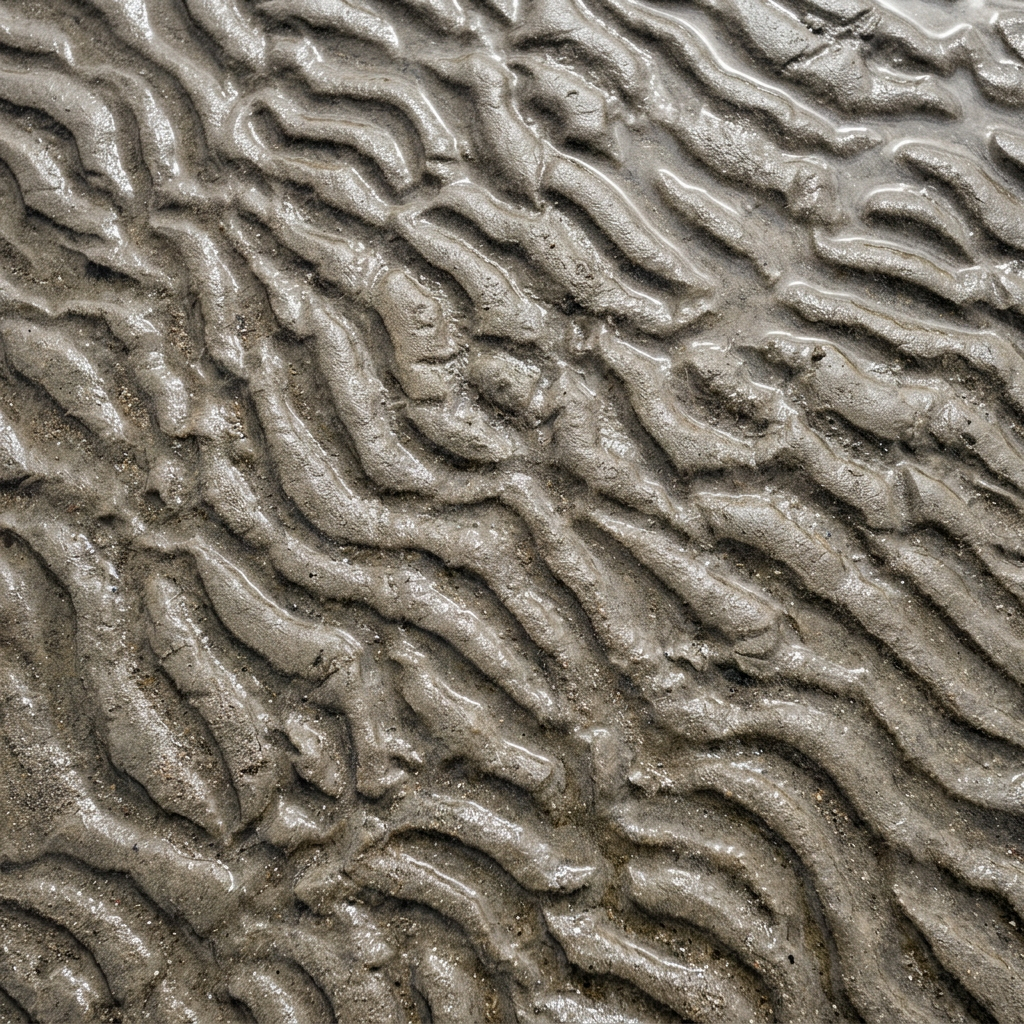
Villa O'Higgins sits 224 kilometers past Cochrane with nothing in between: no pump, no repair, and no signal across 130 of those kilometers. The lake begins where the road ends. The arm running southwest toward the ice is the deepest water on either American continent, and nothing crosses it on anything you would call a timetable. One company works the run to the far shore and back, once a week outside the few high weeks, weather permitting, leaving at half past eight in the morning for a reason you can watch develop: the westerly strengthens all day down that open water and by two in the afternoon it is at 35 to 45 knots.
That company holds the license for the lake, carries you under its own terms, and invoices you itself on its own account. We reserve the two seats and the 44 pounds of freight that goes with each of them, and we telephone the house on the far shore the evening before to say that two people are coming.
The house has four rooms, eight beds, a wood stove in the middle room and a generator that runs seven until eleven. Dinner is at seven, there is no second sitting, and there is nothing else cooked within a day's walk. Breakfast is at eight. In January the afternoon reaches 57 degrees at the water and the night falls to 34. People walk the shore trail, watch the glacier front three miles up the arm where it stands about 250 feet out of the water, and go to bed early because the reading light is one bulb on a generator that stops.
Somebody asks every season about walking on from that shore into the next country. That sits outside what our office arranges and outside anything it will advise on. The seats, the beds and the ranger list are held on the Chilean side and nowhere else.
- October
- the ranger list does not open until the snow is off the moraine, usually the first week of November, and the far shore has no service at all
- November
- fifteen hours of light by the end of the month, the weekly crossing begins, and the gravel south of Cochrane is soft where the frost has just come out of it
- December
- light in the sky until close to ten at night, and the westerly on the open arm touches 45 knots by early afternoon most days
- January
- 57 degrees at the water in the afternoon and 34 at night, with every bed between Cochrane and Villa O'Higgins spoken for eight weeks ahead
- February
- the lake reads 45 degrees, horseflies work the forest edge until about the twentieth, and the ice is at its most broken
- March
- the lenga turns red in the second week, the wind eases off, and daylight is down to twelve hours
- April
- the crossing runs to about the fifteenth and then stops, nights at the far shore go under freezing, and the hut above the Exploradores shuts
- May to September
- no crossing, no house, no ranger list, and we take no dates inside that window
The permitted day above the Exploradores valley
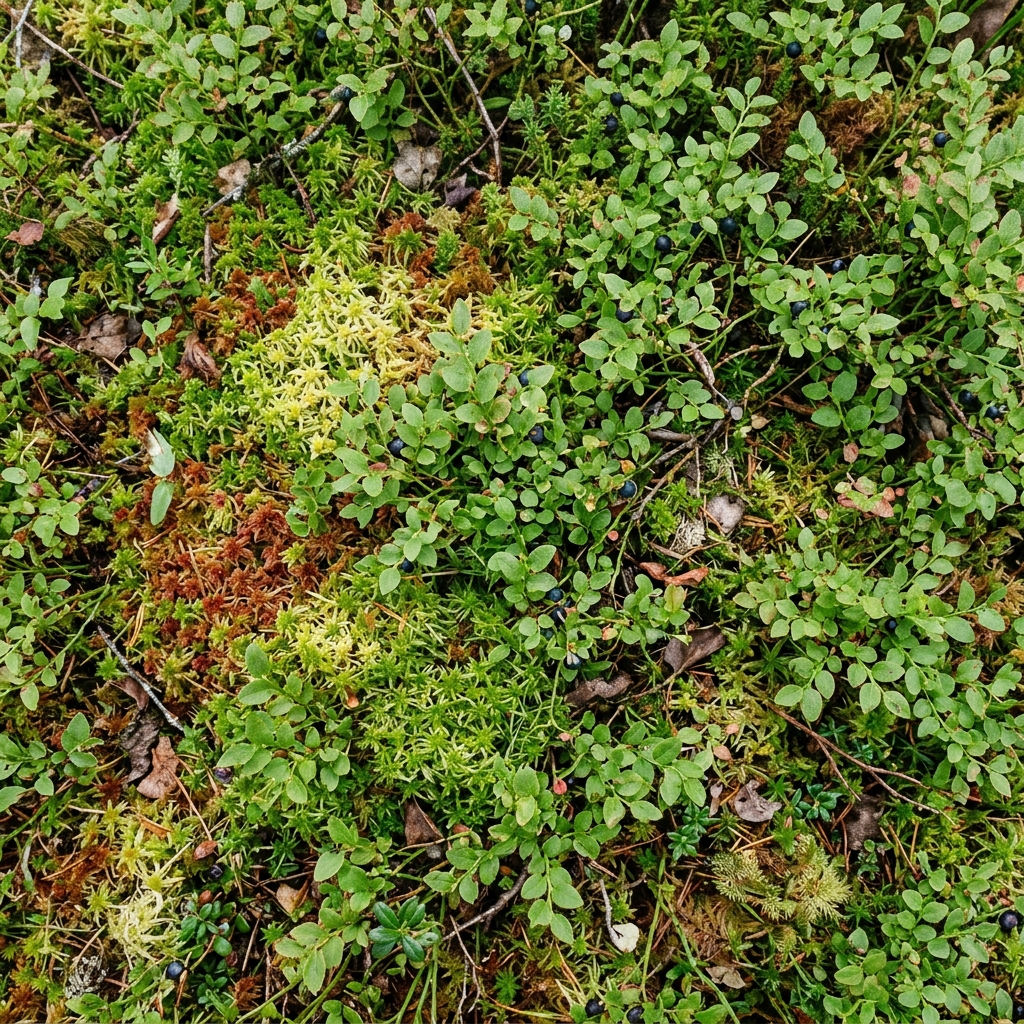
The second fixed point is 500 kilometers north of the first, and you drive to it. From Puerto Rio Tranquilo a gravel road turns west and climbs 52 kilometers up the Exploradores valley to a hut with a gate beside it. The tongue above that hut comes off the northern ice field, 1,600 square miles of it, and loses 4,900 feet across its final 12 miles, which is what leaves it standing in blocks and towers you can pick out from the road.
Walking on it needs a permit. The company running the day pulls that permit in your names off a list that closes 48 hours before, and a ranger reads the list at the hut at half past seven in the morning. Nobody unread goes through the gate. The day itself is nine hours: two hours through lenga and coihue forest, ninety minutes of moraine that shifts under the boot, four hours on the ice on a rope of five with crampons, then the same moraine going back down. Twelve people go up in a day and that is the cap, which is why the list closes when it does.
Between those two fixed points you have nine nights and nothing booked in them. Most people spend two at Puerto Rio Tranquilo for the marble along the lake shore, one at Cochrane, one at Tortel on the boardwalk, and leave the rest loose for weather. That is what the nine nights are for.
Reserving the twelve nights
Name the dates, not the month. The boat leaves one day a week and the ranger list is capped at twelve, so a month is not a question anybody can price. Give us the exact days and a costed answer against those days comes back inside two to four working days, and it will say plainly if one of the three fixed points is already taken.
Nothing on this page belongs to us. The house at the far shore belongs to the family cooking in it, the boat to the company licensed to work that lake, the pickup to whoever you hire it from, and the ice day to the operator holding the concession above the valley. Each of them bills you directly, in its own name and on its own account. Our office collects nothing at any stage and has no mechanism for it.
The Pine Gazette is the name Pine Gazette Bookings LLC works under at 2450 Severn Avenue, Suite 312 in Metairie, Louisiana 70001. Telephone +1 (504) 832-6194 if you would rather talk the dates through, or write to bookings@thepinegazette.com. If anything on this page reads wrong against what you find on the ground, corrections@thepinegazette.com reaches the person who keeps it current, and we would want to know.
Send a booking request
This form takes booking requests 24 hours a day. A person reads it and answers within one business day. Sending it is not a reservation, it costs nothing, and this office will not telephone or text you unless you ask it to.